


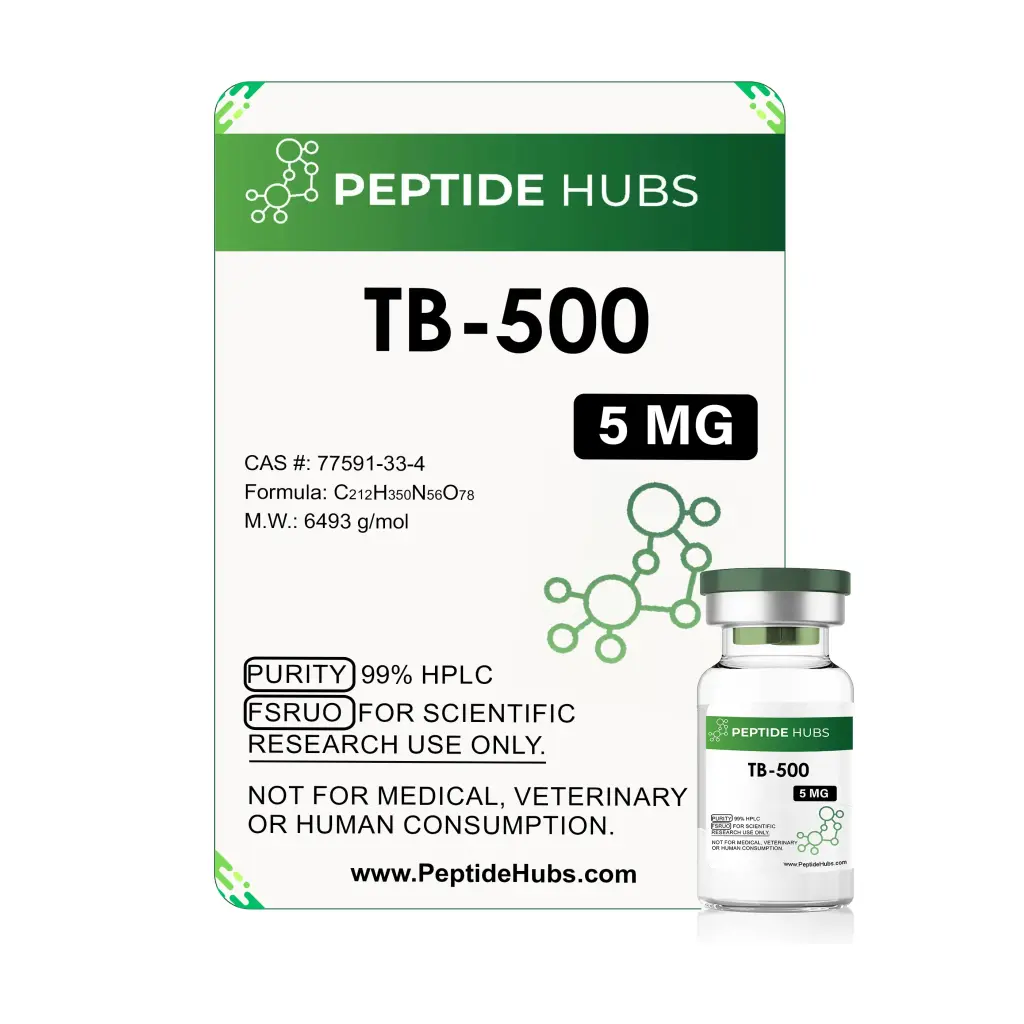

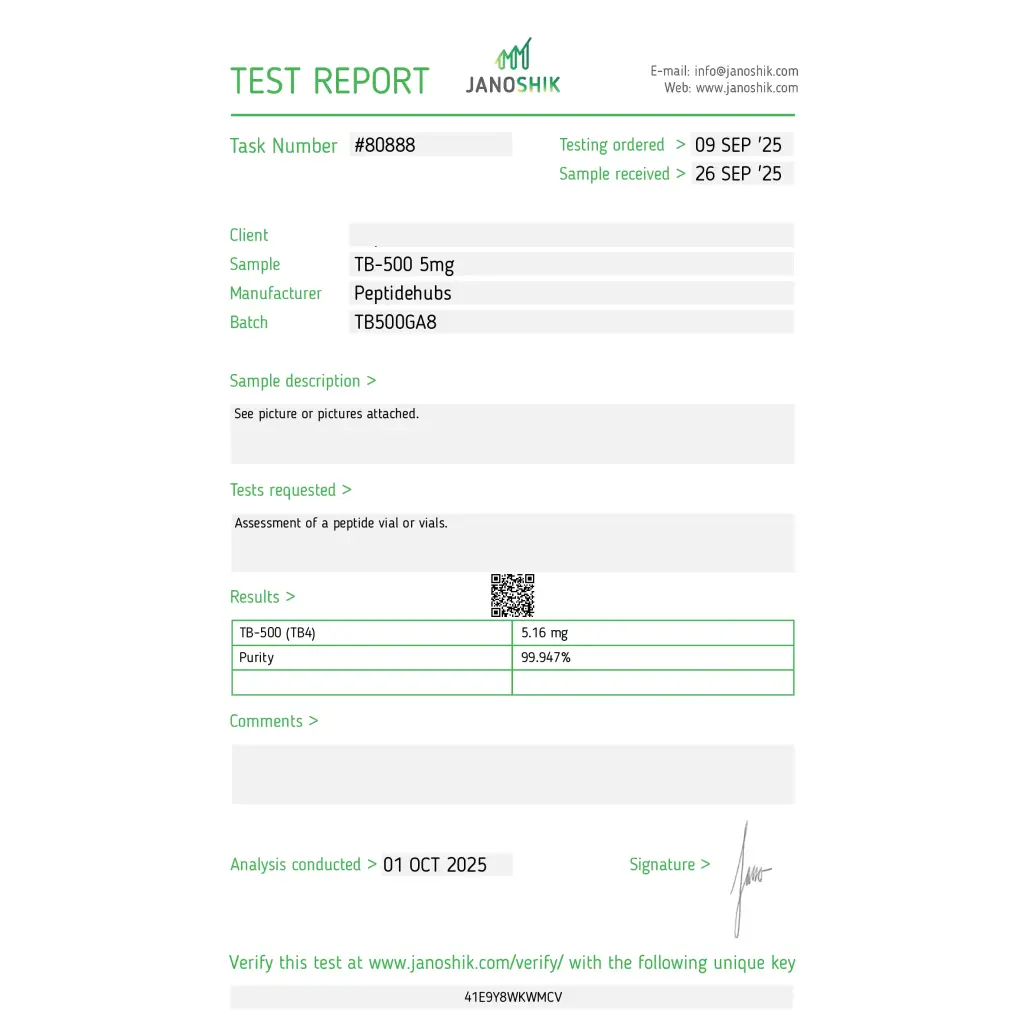
MANUFACTURER: Peptide Hubs
ACTIVE INGREDIENT: Thymosin Beta 4
STRENGTH: 5 mg
AMOUNT: vial
In the ever-evolving world of medical science and athletic performance enhancement, **TB 500 peptide** has emerged as a noteworthy substance. With its origins steeped in research, this peptide offers intriguing possibilities for healing and recovery. Let's delve into what TB 500 is, its creation, applications in medicine and sports, and any health risks associated with its use.
TB 500 is a synthetic version of the naturally occurring peptide Thymosin Beta-4 (TB4). This peptide plays a crucial role in various biological functions, notably in wound healing and cell migration. Discovered through studies on thymosin proteins, TB 500 has gained attention for its potential to promote recovery and reduce inflammation. The peptide is composed of a chain of amino acids, which are the building blocks of proteins essential for numerous bodily functions.
The journey of TB 500 began in the early 21st century when researchers sought to understand the molecular mechanisms behind healing processes. It was primarily created to explore how peptides could stimulate healing in tissues and influence the body's repair mechanisms. The goal was clear: develop a substance that could assist in recovery from injuries, particularly in fields like surgery and sports medicine.
In the medical realm, TB 500 peptide is being studied for its potential benefits in healing soft tissues, such as muscles, tendons, and ligaments. Its ability to promote angiogenesis—the formation of new blood vessels—helps improve circulation and expedite the healing process. This makes TB 500 attractive not only for recovery after surgeries but also for conditions like chronic wounds and certain degenerative diseases.
In sports, the peptide has captured the interest of athletes and trainers looking for ways to enhance recovery and performance. Although not approved by major sports organizations, some athletes believe that TB 500 can reduce downtime after injuries and facilitate quicker returns to training and competition. This has raised ethical discussions around its use, particularly in competitive environments where fair play is paramount.
As with any emerging treatment or performance-enhancing substance, there are potential health risks associated with TB 500 peptide. While it shows promise in promoting healing, the long-term effects and safety of TB 500 are not fully understood. Potential side effects may include allergic reactions, injection site issues, or unintended consequences related to immune function. Moreover, because TB 500 is not regulated by many health authorities, the purity and dosage of products marketed as TB 500 can vary significantly, increasing the risk of adverse effects.
In conclusion, while TB 500 peptide presents exciting possibilities in both medical and athletic fields, it is essential to approach its use with caution. Ongoing research will hopefully illuminate its efficacy and safety profile, guiding informed decisions for those considering its application. As always, consulting with a healthcare professional before starting any new treatment is crucial to ensure safety and appropriateness for individual health needs.
Please log in to write TB 500 review.
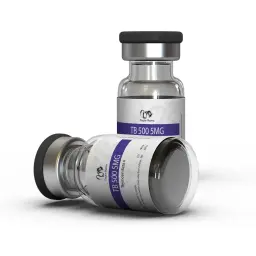
MANUFACTURER: Dragon Pharma, Europe
ACTIVE INGREDIENT: Thymosin Beta 4
STRENGTH: 5 mg/ml
AMOUNT: vial
MANUFACTURER: Dragon Pharma
GOAL: Lean Muscles
TYPE: Injections
ACTIVE INGREDIENT: Drostanolone Enanthate
STRENGTH: 200mg/ml
AMOUNT: 10ml vial
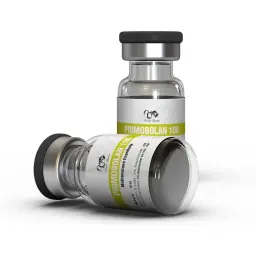
MANUFACTURER: Dragon Pharma
GOAL: Lean Muscles
TYPE: Injections
ACTIVE INGREDIENT: Methenolone Enanthate
STRENGTH: 100mg/ml
AMOUNT: 10ml vial
LAB TEST: View Test Report 🗐
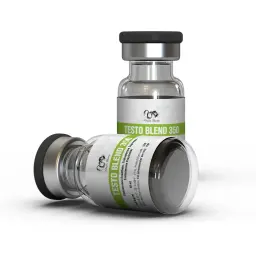
MANUFACTURER: Dragon Pharma
GOAL: Bulking
TYPE: Injections
ACTIVE INGREDIENT: Testosterone Enanthate - 200 mg/ml
Testosterone Cypionate - 100 mg/ml
Testosterone Propionate - 50 mg/ml
STRENGTH: 350mg/ml
AMOUNT: 10ml vial
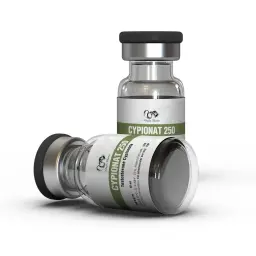
MANUFACTURER: Dragon Pharma, Europe
ACTIVE INGREDIENT: Testosterone Cypionate
STRENGTH: 250 mg/ml
AMOUNT: 10 ml
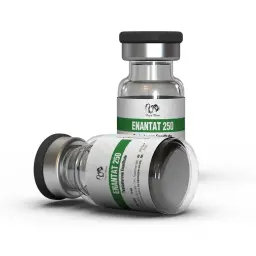
MANUFACTURER: Dragon Pharma, Europe
ACTIVE INGREDIENT: Testosterone Enanthate
STRENGTH: 250 mg/ml
AMOUNT: 10 ml