


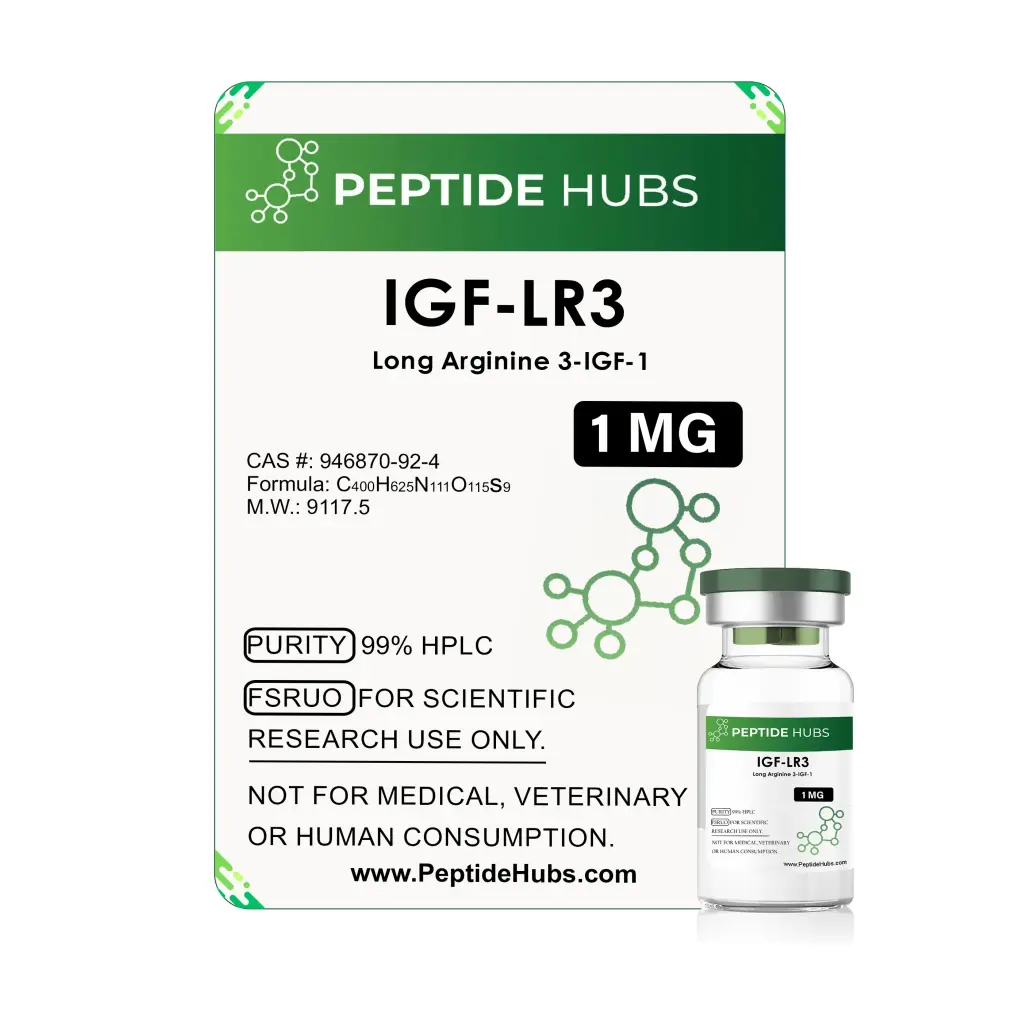
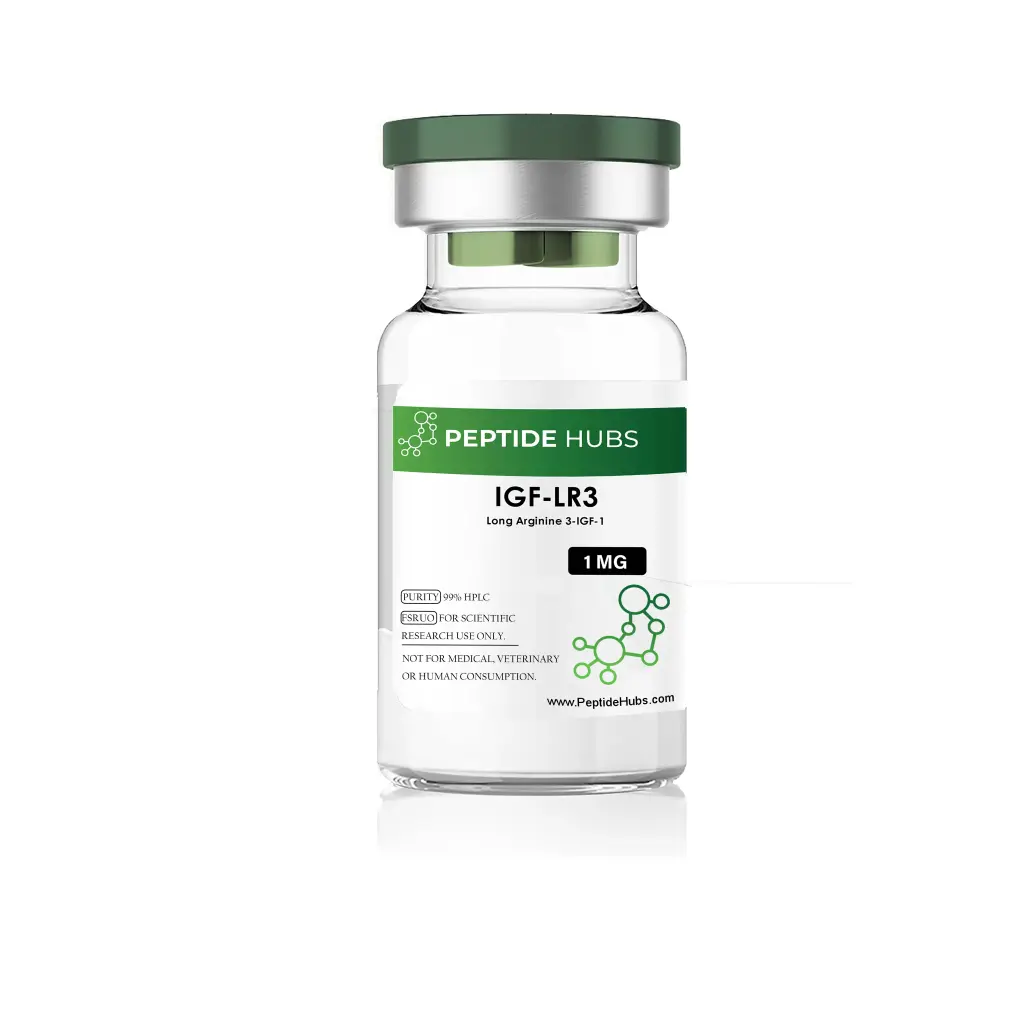
MANUFACTURER: Peptide Hubs
ACTIVE INGREDIENT: Insulin-like Growth Factor 1
STRENGTH: 1 mg
AMOUNT: vial
In recent years, the world of peptides has garnered significant attention for its potential benefits in various health conditions. Among these intriguing compounds is IGF-LR3, a derivative of Insulin-like Growth Factor 1 (IGF-1) that has been making waves in both fitness circles and medical research. But what exactly is IGF-LR3 peptide, and how does it contribute to health? Let's delve into this fascinating topic.
IGF-LR3 stands for Insulin-like Growth Factor Long Arg3, a modified form of IGF-1 that has a longer half-life, allowing it to stay active in the body for a more extended period. This peptide boasts an additional three amino acids which enhance its binding affinity for growth hormone receptors. As a result, IGF-LR3 promotes cellular growth and regeneration, making it a valuable player in numerous biological processes.
Peptides like IGF-LR3 are naturally occurring in the human body, but their synthetic versions are increasingly being utilized for therapeutic purposes. The interest in IGF-LR3 is driven partly by its ability to stimulate muscle growth, fat loss, and overall recovery, which has made it popular among athletes and bodybuilders. However, its potential applications extend far beyond enhancing physical performance.
The ability of IGF-LR3 to promote cell growth and regeneration paves the way for its use in addressing several health conditions. One notable area of research involves its implications for aging and age-related diseases. As we age, the levels of natural IGF-1 in our bodies decline, possibly contributing to decreased muscle mass, energy levels, and regenerative capacity. Supplementing with IGF-LR3 may help counteract these effects, fostering improved vitality and quality of life.
Additionally, studies suggest that IGF-LR3 could play a role in healing injuries and enhancing recovery. For individuals recovering from surgery or intense physical training, IGF-LR3 may accelerate the healing process by promoting faster muscle repair and reducing inflammation. This characteristic makes it appealing not just for athletes but also for those with injuries or chronic conditions that hinder mobility and physical activity.
Moreover, IGF-LR3 has shown promise in managing metabolic disorders. Research indicates that it may help regulate blood sugar levels and improve insulin sensitivity, which can be particularly beneficial for individuals with diabetes or prediabetes. By enhancing the body's responsiveness to insulin, IGF-LR3 could pave the way for better management of these conditions.
As with any compound, while IGF-LR3 presents compelling benefits, it is essential to approach its use cautiously. Ongoing research continues to explore the full spectrum of its effects, particularly in clinical settings. As scientists unravel more about IGF-LR3, we might see it integrated into mainstream health practices aimed at improving quality of life, especially for aging populations.
Moreover, because peptides like IGF-LR3 operate on complex biological pathways, further studies will be vital in understanding potential side effects and optimal dosing strategies. As the body of research expands, it may unlock new therapeutic uses that currently remain unexplored.
In conclusion, IGF-LR3 peptide stands at the crossroads of science and health, offering a glimpse into the future of regenerative medicine and performance enhancement. Its potential benefits for muscle growth, recovery, and even metabolic health make it a fascinating subject of ongoing research. While the therapeutic applications of IGF-LR3 appear promising, it remains crucial to pursue comprehensive studies to ensure its safety and efficacy. As we continue to unlock the mysteries of peptides and their impact on health, IGF-LR3 is certainly a contender worthy of attention in the quest for improved wellness.
Please log in to write IGF-LR3 review.
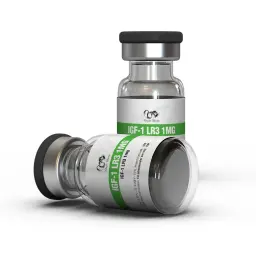
MANUFACTURER: Dragon Pharma, Europe
ACTIVE INGREDIENT: Insulin-like Growth Factor 1
STRENGTH: 1 mg/vial
AMOUNT: vial
MANUFACTURER: Stealth Labs
ACTIVE INGREDIENT: Mazdutide
STRENGTH: 10 mg/ml
AMOUNT: vial
MANUFACTURER: Stealth Labs
ACTIVE INGREDIENT: Survodutide
STRENGTH: 10 mg
AMOUNT: vial
MANUFACTURER: Stealth Labs
ACTIVE INGREDIENT: Cagrilintide
STRENGTH: 10 mg
AMOUNT: vial
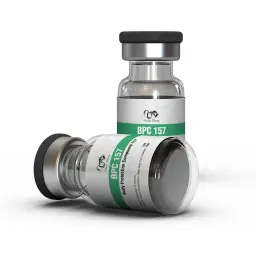
MANUFACTURER: Dragon Pharma, Europe
ACTIVE INGREDIENT: Body Protective Compound 157
STRENGTH: 5 mg
AMOUNT: vial