


How to Train Your Legs for Massive Growth
Achieving significant leg muscle growth requires a strategic and consistent approach. This article provides a comprehensive guide to help you build impressive legs, focusing on key training principles and practical exercises.
Understanding the Fundamentals
Before diving into specific exercises, it's crucial to understand the principles that drive muscle growth, also known as hypertrophy. These include:
Progressive Overload: Gradually increasing the weight, reps, or sets over time to challenge your muscles and stimulate growth.
Proper Form: Maintaining correct form throughout each exercise to maximize muscle activation and minimize the risk of injury.
Adequate Nutrition: Consuming a diet rich in protein, carbohydrates, and healthy fats to fuel muscle growth and recovery.
Sufficient Rest: Allowing your muscles adequate time to recover between workouts.
Key Exercises for Leg Development
A well-rounded leg workout should target all major muscle groups: quadriceps, hamstrings, glutes, and calves. Here are some essential exercises:
Squats: The king of leg exercises. Squats effectively target the quads, glutes, and hamstrings. Vary your squat variations (back squats, front squats, goblet squats) to target different muscle fibers.
Leg Press: A machine-based exercise that allows for heavy lifting while minimizing stress on the lower back.
Lunges: A unilateral exercise that improves balance and targets the quads, hamstrings, and glutes.
Romanian Deadlifts (RDLs): Primarily target the hamstrings and glutes. Focus on maintaining a straight back and feeling the stretch in your hamstrings.
Hamstring Curls: Isolate the hamstrings, either with a machine or using resistance bands.
Leg Extensions: Isolate the quadriceps.
Calf Raises: Target the calf muscles. Perform these standing, seated, or using a machine.
Sample Leg Workout Routine
Here's a sample leg workout routine you can adapt to your fitness level:
Squats: 3 sets of 8-12 reps
Leg Press: 3 sets of 10-15 reps
Lunges: 3 sets of 10-12 reps per leg
Romanian Deadlifts: 3 sets of 10-15 reps
Hamstring Curls: 3 sets of 12-15 reps
Leg Extensions: 3 sets of 12-15 reps
Calf Raises: 3 sets of 15-20 reps
Training Considerations
Frequency: Train your legs 1-2 times per week, allowing for adequate rest and recovery.
Volume: Adjust the number of sets and reps based on your experience and goals.
Intensity: Choose weights that challenge you while maintaining proper form.
Warm-up: Always warm up before your leg workouts with light cardio and dynamic stretching.
Cool-down: Finish your workout with static stretching to improve flexibility and reduce muscle soreness.
Nutrition and Recovery
Protein Intake: Consume adequate protein (around 1 gram per pound of body weight) to support muscle repair and growth.
Calorie Surplus: To build muscle, you need to consume more calories than you burn.
Hydration: Drink plenty of water throughout the day.
Sleep: Aim for 7-9 hours of quality sleep per night to optimize recovery.
Conclusion
Building massive legs requires dedication, consistency, and a well-structured training program. By following these guidelines, incorporating the right exercises, and prioritizing proper nutrition and recovery, you can achieve significant leg muscle growth and transform your physique. Remember to listen to your body, adjust your training as needed, and stay patient. Results take time and effort.
Related Links
- Benefits of taking a rest from weight lifting
- Clomid in Bodybuilding: An In-depth Examination of its Role and Mechanisms
Articles

Question: I used same product before (last year) but this year I got PIP and some redness at the injection spot. Why?
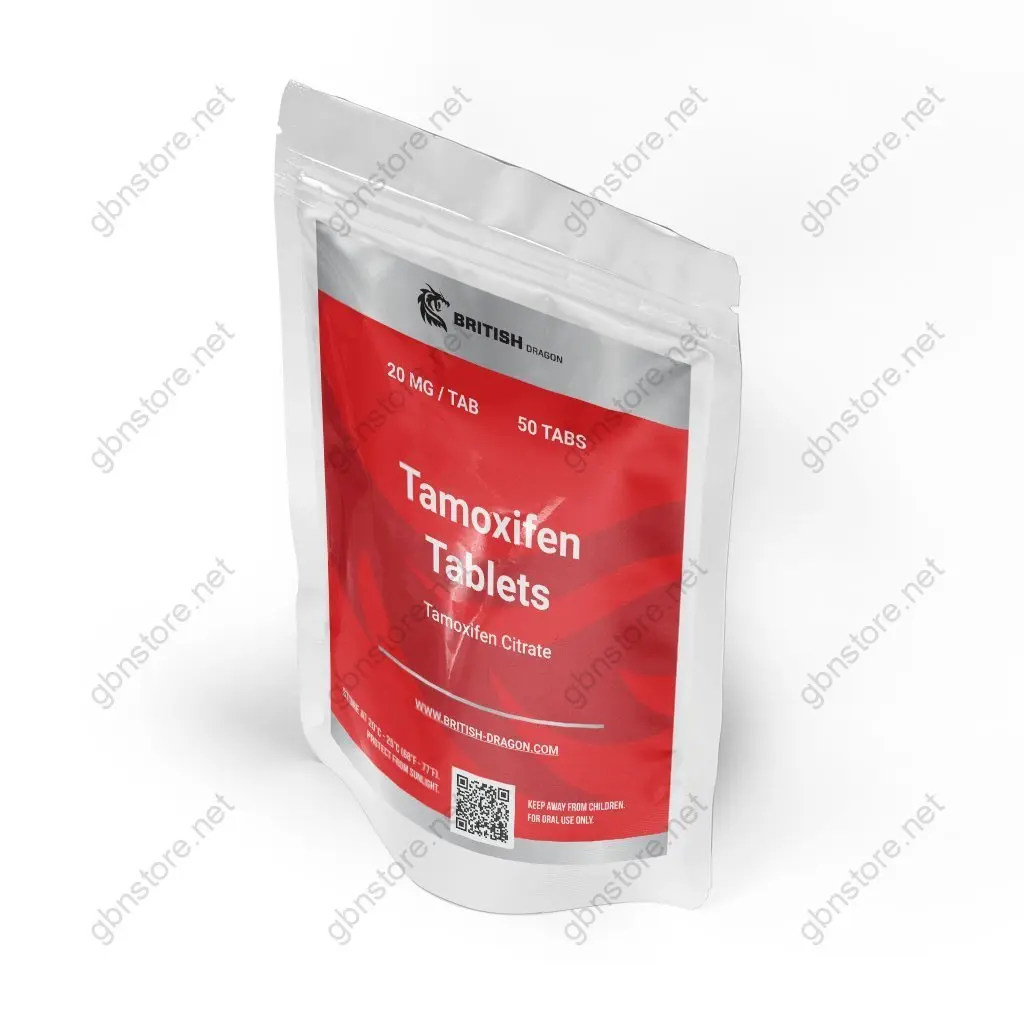
Gyno Treatment with Nolvaxyl Gyno reversal with nolvaxyl (tamoxifen citrate). Gynecomastia treatment with Tamoxifen study.

Sustanon 250 is an injectable testosterone blend that contains four different testosterone esters, allowing for a sustained release of testosterone over time.
Customers Feedbacks
Please leave your feedback on products or service below.
Thank you beforehand.