


How to Reconstitute Peptides: Basic Rules
Basic Guidelines for Reconstituting Peptides
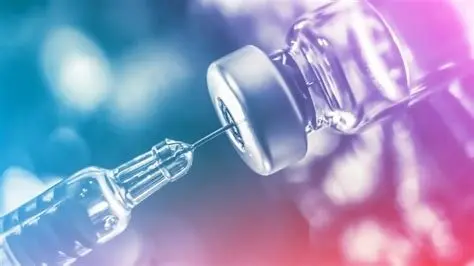
Reconstituting peptides is a critical process that ensures these bioactive compounds remain effective for various applications, whether in research, pharmaceuticals, or bodybuilding. Understanding how to correctly reconstitute peptides can make all the difference in achieving optimal results. This article will provide you with the basic rules of peptide reconstitution, covering the type of water to use, proportions, storage, and more valuable insights.
Choosing the Right Water
When it comes to reconstituting peptides, not all water is created equal.
Bacteriostatic water (BAC) is preferred for reconstituting peptides because it contains benzyl alcohol, which prevents bacterial growth and allows for multiple uses over 28 days, while sterile water is only suitable for single use and can lead to rapid peptide degradation. Using BAC helps maintain the stability and effectiveness of the peptides.
Another suitable choice can be bacteriostatic water, which contains a small percentage of benzyl alcohol to inhibit bacterial growth, thus extending the shelf-life of the reconstituted peptides. However, it's important to note that not all peptides require bacteriostatic water; confirm the recommendations specific to your peptide.
It's important to check the specific stability data for each peptide to determine the appropriate reconstitution method.
Avoid using tap water or bottled water, as these can contain impurities that may lead to degradation or contamination of the peptides!
Proportions for Reconstitution
The next critical factor involves the proportion of diluent to peptide powder. Generally, the appropriate volume of diluent depends on the desired concentration of the final solution, which can vary based on the intended use.
A common starting point is to use 1 mL of sterile water for every 1 mg of peptide. For example, if you have 5 mg of peptide powder, adding 5 mL of sterile water would create a solution with a concentration of 1 mg/mL. This ratio allows for easy dosing and administration. However, always check the manufacturer's guidelines or specific instructions for your peptide, as different peptides may have unique recommendations.
Best Practices for Reconstitution
While the technical aspects are crucial, handling and technique play a significant role in the reconstitution process. When mixing, gently swirl the vial instead of shaking vigorously. Vigorous shaking can cause foaming or denaturation of the peptide, potentially rendering it ineffective.
Additionally, it's advisable to perform the reconstitution in a clean, controlled environment to minimize the risk of contamination. Using gloves and avoiding direct contact with the powder will also help maintain sterility.
Storage and Shelf-Life
Once you've successfully reconstituted your peptides, proper storage is essential to prolong their efficacy. Store the reconstituted solution in a cool, dark place, preferably in a refrigerator. Most peptides are stable for about 30 days when stored this way, but it's best to check the manufacturer's guidelines for the specific shelf-life of your peptide after reconstitution.
It's crucial to avoid repeatedly freezing and thawing the peptides, as this can lead to degradation. If you have any leftover solution after use, consider discarding it to ensure safety and efficacy.
Additional Tips for Successful Reconstitution
Aside from these basic rules, there are a few additional considerations to keep in mind during the reconstitution process:
1. Expiration Dates: Always check the expiration date on the peptide packaging before reconstituting. Using expired peptides can result in ineffective solutions.
2. Documentation: Label the vials with the date of reconstitution and the concentration to help keep track of their usage.
3. Disposal: Follow local regulations for disposing of any unused peptide powders and vials. Proper disposal helps prevent environmental contamination.
In conclusion, reconstituting peptides with care and precision is vital for maintaining their efficacy and ensuring safe use. Remember, this process is not only about getting results; it's also about doing so safely and effectively. Happy reconstituting!
Articles
Q & A with Huge Tom - (part 8) Today we talk about "Why you may taste steroid after injection?"
Question: I used same product before (last year) but this year I got PIP and some redness at the injection spot. Why?

Diving into the Exciting World of Crypto: A Beginner's Guide to Understanding and Purchasing Digital Assets. Click here it is a 5 min. read.
Customers Feedbacks
Please leave your feedback on products or service below.
Thank you beforehand.